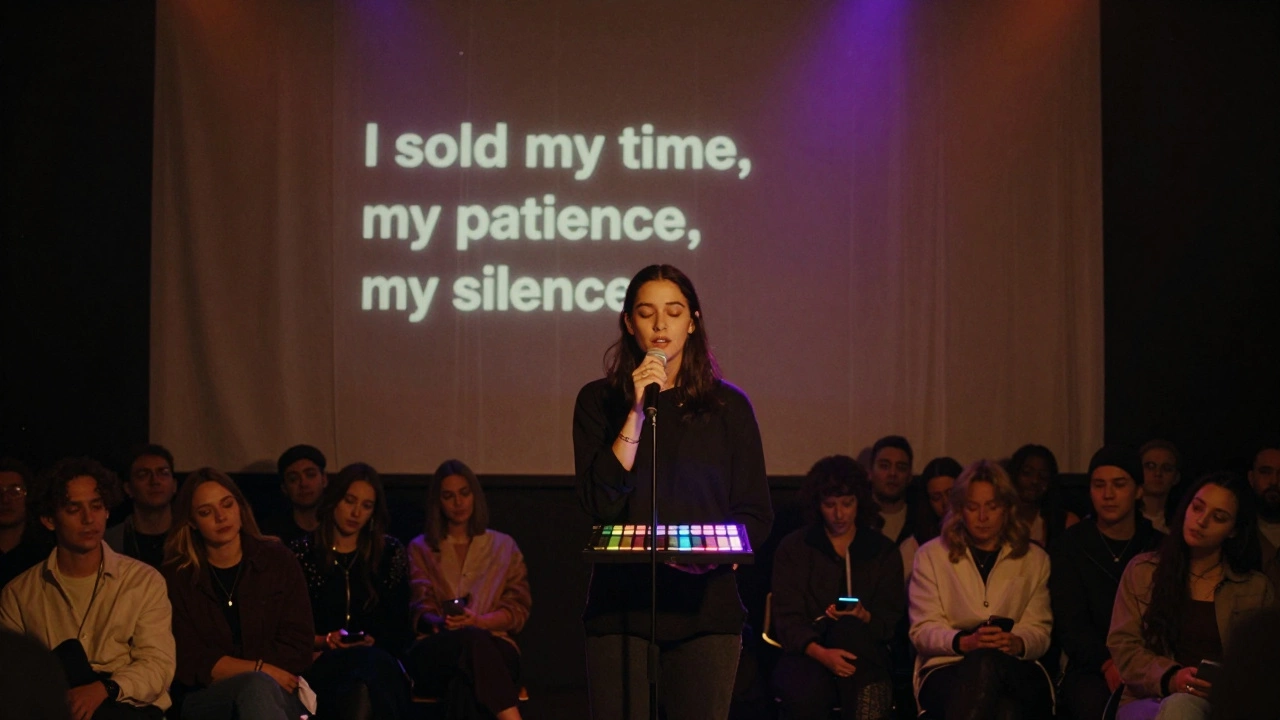
When the lights dim and the music swells, the Cannonball Festival isn’t just about music-it’s about voices that have spent years silenced.
This year, the Cannonball Festival in Brighton turned into something unexpected: a stage for sex workers. Not as background figures, not as victims or villains, but as artists, performers, and storytellers. For the first time in its 12-year history, the festival hosted a dedicated night called Body & Voice, curated entirely by current and former sex workers. The lineup included spoken word poets who wrote about survival, drag queens who turned their street work into performance art, and musicians who sang about police raids and client kindnesses in the same breath.
One of the night’s most talked-about acts was a 28-year-old performer who blended electronic beats with poetry about her time as an escort girl in uk. She didn’t mention the website by name, but her lyrics did: "I didn’t sell my body-I sold my time, my patience, my silence." The crowd didn’t cheer. They sat still. Then they stood. No one moved until the last echo faded.
Why now? Why here?
The Cannonball Festival has always leaned into the边缘-artists who push boundaries, voices that get labeled "too raw" or "too real." But this year felt different. The UK’s 2024 Online Safety Act forced platforms to crack down on adult content, and with it came a wave of job losses among digital sex workers. Many turned to live performance as a way to reclaim their narratives. The festival organizers didn’t set out to make a political statement. They just noticed that the people who were already performing in alleyways, private flats, and Zoom calls were now showing up at open mics with better mic technique and sharper scripts.
One organizer told me, "We didn’t recruit them. They showed up. And we realized we’d been missing half the story of what modern performance even means."
The performers aren’t asking for pity
They’re asking for space.
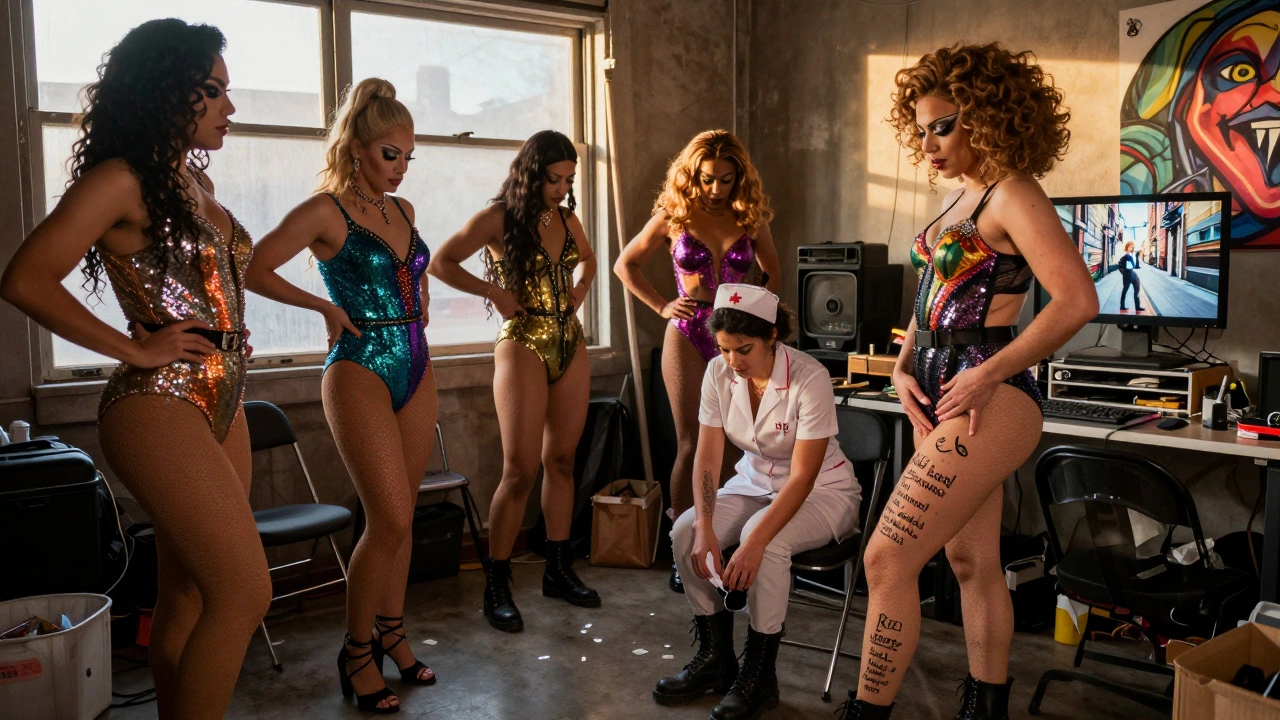
Onstage, one woman-wearing a sequined bodysuit and combat boots-told the crowd she’d been working since she was 19. She didn’t say why. She didn’t need to. Instead, she recited a list: "I’ve been called a criminal. I’ve been called a hero. I’ve been called a fantasy. I’ve been called a statistic. I’ve been called a uk glamour girl escort. I’ve never been called me. Tonight, I am."
The audience didn’t applaud. They whispered back: "You are."
There were no speeches from politicians. No charity booths. No "rescue" narratives. Just a microphone, a spotlight, and people who’d spent years being told to stay quiet finally speaking-loudly, clearly, and without apology.
How this changes the conversation
For decades, sex work has been framed as a problem to solve, not a reality to understand. News reports focus on trafficking, exploitation, or moral panic. Rarely do they ask: What does it feel like to be a sex worker who also paints murals? Who teaches yoga? Who writes novels on the train home?
The Cannonball Festival didn’t try to answer that question for them. It just gave them the mic.
And what came out wasn’t tragedy. It was truth. Raw, funny, heartbreaking, and strangely beautiful.
One performer, a 34-year-old former nurse who started working part-time after her hospital cut her hours, said: "I didn’t lose my dignity. I found a new way to use it."
The ripple effect
After the festival, a local arts council in Manchester announced a new grant program for sex worker artists. A theater in Liverpool invited three Cannonball performers to develop a full-length play. A documentary crew started filming interviews with performers who’d never spoken publicly before.
And in online forums, a quiet shift began. People who’d once whispered about "uk escort girl" services now posted: "I didn’t know sex workers made art. I didn’t know they were my neighbors."
What’s next?
The festival organizers say Body & Voice isn’t a one-off. They’re planning next year’s edition with a full week of workshops: how to write for stage, how to protect your mental health while performing, how to navigate legal gray zones without losing your voice.
They’re also talking to unions. Not to ask for protection-but to ask for inclusion. "We don’t need to be saved," one performer told them. "We need to be seen. And if you’re going to see us, see us whole."
And for the first time, people are listening.
It’s not about the money
Some people assume sex work is only about transactions. But the Cannonball Festival showed it’s also about connection. About the quiet moments between clients: the shared laugh over bad coffee, the way someone says "thank you" like they mean it, the way a stranger can hold space for your pain without trying to fix it.
One poet read a piece called "The Last Text I Sent Before the Raid," which ended with: "I didn’t know you were watching. But thank you for seeing me."
That line got replayed on a loop in the festival’s underground lounge for the rest of the weekend.
What this means for the future
Art has always been the mirror of society. When sex workers take the stage, they’re not just performing-they’re reframing the whole conversation. They’re saying: "We’re not a problem. We’re part of the culture."
And if you’re still wondering whether this matters, ask yourself: when was the last time you heard a story that made you rethink everything you thought you knew?
At Cannonball, those stories weren’t just told. They were celebrated.
And for the first time, the world didn’t look away.
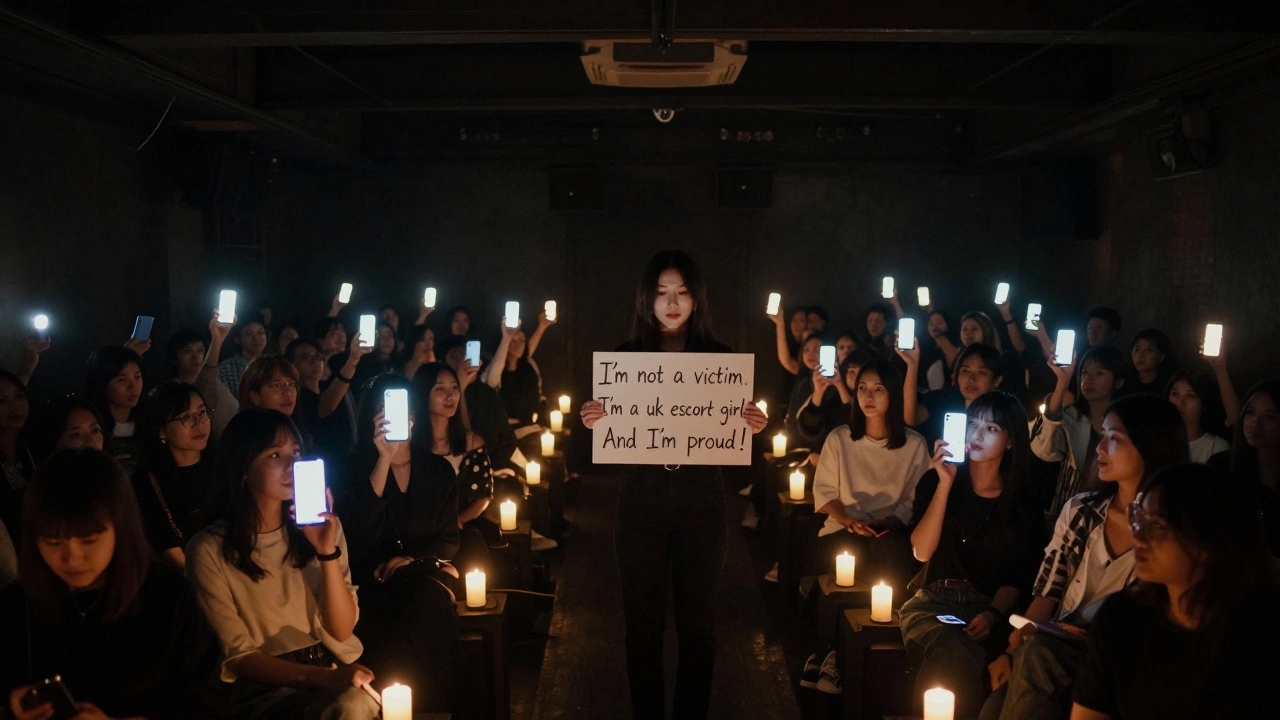
One last thing: during the final set, a woman walked on stage holding a sign that read: "I’m not a victim. I’m a uk escort girl. And I’m proud." The crowd didn’t cheer. They didn’t gasp. They just held up their phones-not to record, but to light her way.
Hello, my name is Theodore Kingswell and I am an expert in the field of education. With a background in teaching and educational research, I have dedicated my life to improving the quality of education for students of all ages. I am passionate about sharing my insights and experiences through my writing, as well as collaborating with others to create innovative solutions for the challenges facing education today. In my free time, I enjoy cycling, reading educational journals, and nature photography, alongside attending conferences and workshops to stay up-to-date on the latest trends and developments in the world of education.